_1137.png?v=1788503569)
 Breaking News

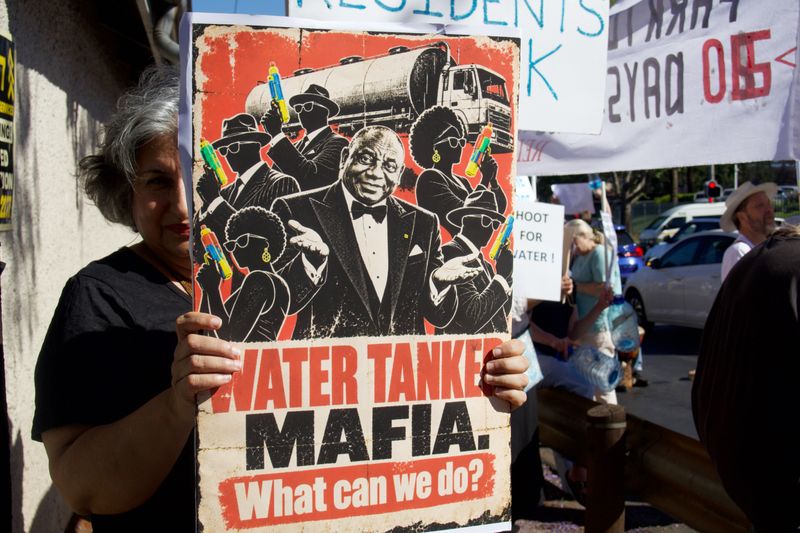
Municipalities must pay for water failures23 OCT 2026, 00:002 min readShareFacebookXLinkedInWhatsAppEmailThere are few more basic failures of local government than supplying residents with unsafe drinking water and failing to tell them.In Bronkhorstspruit, the City of Tshwane supplied unchlorinated water for three weeks, from 24 September to 14 October, without warning residents that it was unsafe. Between 7 and 18 October, 408 cases of gastrointestinal illness were reported, most involving children. Contaminated water from the Bronkhorstspruit water treatment works is considered the likely source. Mayor Nasiphi Moya has admitted negligence. The city had run out of chlorine after a dispute with its supplier, which had increased its prices fourfold. Moya said officials had failed to inform the city’s leadership. Running out of chlorine is bad enough. Failing to warn residents that their water may be unsafe is inexcusable. People should not have to risk their health because of municipal failures.This is not an isolated crisis. In Hammanskraal, a 2023 cholera outbreak exposed a long-running water and sanitation crisis. The outbreak formed part of a national toll of 47 deaths. More than three years later, residents are still struggling to access reliable supplies of clean, safe water. Emergency water tankers may be necessary when taps run dry but they cannot become a permanent substitute for a reliable piped supply, as has happened in many communities. The irony is bitter: failing municipal sewage systems pollute the rivers and dams on which communities depend for water.These are not simply infrastructure problems. They have consequences for people’s health, dignity and trust in government.Access to sufficient water is a constitutional right. Section 27 obliges the state to take reasonable measures, within available resources, to progressively realise that right. But water must also be safe to drink.Supplying water that might expose people to illness without warning them is a failure to protect public health. Safe drinking water is not a favour to residents or a service that can be allowed to lapse when administration fails. It is a responsibility.The priority in Bronkhorstspruit must be to ensure residents have enough safe water, establish the full circumstances of the outbreak and hold those responsible accountable. Restoring the chlorine supply is not, by itself, proof that the water is safe to drink. Residents need clear updates and evidence that the same failure will not happen again.With local government elections on 4 November, voters have an opportunity to judge their municipalities on the services they deliver.Where municipalities repeatedly fail to provide safe, reliable water, voters can hold those responsible accountable at the ballot box.The right to water means little on paper if it is not realised in practice. Municipal failure brings illness, indignity and broken trust. Residents have every right to demand better.ShareFacebookXLinkedInWhatsAppEmailRelated Topicspublic healthservice deliverylocal governmentwater crisisMentionsNasiphi MoyaCity of Tshwane
Municipalities must pay for water failures
After supplying unchlorinated tap water for weeks in Bronkhorstspruit, leading to hundreds of gastrointestinal illness cases, the City of Tshwane must face accountability for its severe failure to protect public health.
Municipalities must pay for water failures23 OCT 2026, 00:002 min readShareFacebookXLinkedInWhatsAppEmailThere are few more basic failures of local government than supplying residents with unsafe drinking water and failing to tell them.In Bronkhorstspruit, the City of Tshwane supplied unchlorinated water for three weeks, from 24 September to 14 October, without warning residents that it was unsafe. Between 7 and 18 October, 408 cases of gastrointestinal illness were reported, most involving children. Contaminated water from the Bronkhorstspruit water treatment works is considered the likely source. Mayor Nasiphi Moya has admitted negligence. The city had run out of chlorine after a dispute with its supplier, which had increased its prices fourfold. Moya said officials had failed to inform the city’s leadership. Running out of chlorine is bad enough. Failing to warn residents that their water may be unsafe is inexcusable. People should not have to risk their health because of municipal failures.This is not an isolated crisis. In Hammanskraal, a 2023 cholera outbreak exposed a long-running water and sanitation crisis. The outbreak formed part of a national toll of 47 deaths. More than three years later, residents are still struggling to access reliable supplies of clean, safe water. Emergency water tankers may be necessary when taps run dry but they cannot become a permanent substitute for a reliable piped supply, as has happened in many communities. The irony is bitter: failing municipal sewage systems pollute the rivers and dams on which communities depend for water.These are not simply infrastructure problems. They have consequences for people’s health, dignity and trust in government.Access to sufficient water is a constitutional right. Section 27 obliges the state to take reasonable measures, within available resources, to progressively realise that right. But water must also be safe to drink.Supplying water that might expose people to illness without warning them is a failure to protect public health. Safe drinking water is not a favour to residents or a service that can be allowed to lapse when administration fails. It is a responsibility.The priority in Bronkhorstspruit must be to ensure residents have enough safe water, establish the full circumstances of the outbreak and hold those responsible accountable. Restoring the chlorine supply is not, by itself, proof that the water is safe to drink. Residents need clear updates and evidence that the same failure will not happen again.With local government elections on 4 November, voters have an opportunity to judge their municipalities on the services they deliver.Where municipalities repeatedly fail to provide safe, reliable water, voters can hold those responsible accountable at the ballot box.The right to water means little on paper if it is not realised in practice. Municipal failure brings illness, indignity and broken trust. Residents have every right to demand better.ShareFacebookXLinkedInWhatsAppEmailRelated Topicspublic healthservice deliverylocal governmentwater crisisMentionsNasiphi MoyaCity of TshwaneRead the full article at Mail and Guardian
Article details
- Published
- October 22, 2026
- Last updated
- November 12, 2026
- Written by
- ADM Staff
- Category
- Health and Foods
- Reading time
- 3 min read
- Views
- 2