_1137.png?v=1788503569)
 Breaking News

By Gift ChapiOdekina, Abuja
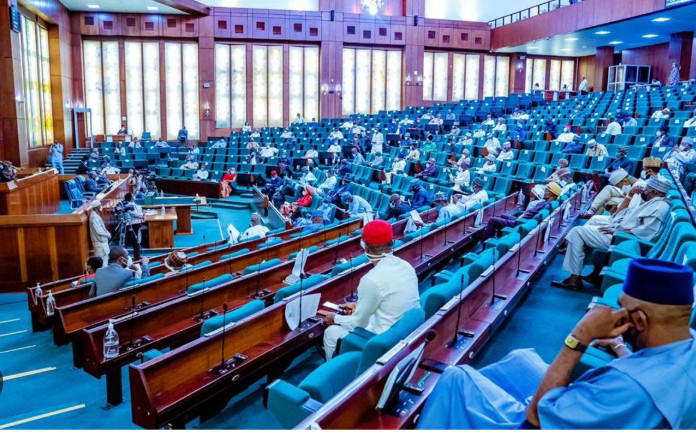
The House of Representatives has called on the Federal Government to urgently increase funding for federal teaching hospitals, federal medical centres, the National Hospital Abuja and other tertiary health institutions, warning that inadequate resources are undermining specialist healthcare delivery across the country.
The lawmakers also urged the government to establish a dedicated infrastructure revitalisation programme, improve the welfare of healthcare workers and ensure timely release of approved funds to the institutions.
The resolutions followed a motion of urgent public importance moved by Rep. Patrick Umoh during Wednesday’s plenary, in which he drew attention to declining health budget allocations, deteriorating infrastructure, inadequate medical equipment and the continued migration of doctors, nurses and other skilled professionals.
Presenting the motion, Umoh said federal tertiary health institutions remained central to specialist medical services, healthcare training and research but were struggling with dilapidated facilities, insufficient bed spaces, unreliable electricity supply and rising operational costs.
He said urgent legislative intervention was necessary to strengthen the institutions and ensure that Nigerians had access to quality, affordable and accessible specialist healthcare.
The lawmaker also commended the Federal Government for its continued interest in and prioritisation of the health sector.
However, he expressed concern that Nigeria’s health sector allocation remained significantly below the 15 per cent commitment made by African governments under the 2001 Abuja Declaration.
According to the motion, the proposed federal health budget allocation declined from approximately 5.33 per cent in 2023 to 4.20 per cent in the proposed 2026 budget.
Umoh also cited figures indicating that only 30 per cent of the health sector’s 2023 capital appropriation was released, while approximately 15.06 per cent of the 2024 capital allocation was reportedly released and utilised.
The motion further stated that only N36 million was reportedly released from the N218 billion appropriated for the Ministry of Health’s 2025 capital expenditure.
The lawmaker warned that inadequate funding had contributed to overcrowded hospitals, delays in treatment, poor maintenance of facilities and shortages of essential medical equipment, forcing some patients to seek treatment in private hospitals or abroad.
He also linked the growing migration of doctors, consultants and nurses to the declining capacity of public tertiary hospitals to provide specialist services.
Umoh said the recently reported Ebola case in Nigeria had further underscored the need to strengthen the country’s tertiary health institutions and their capacity to respond to public health emergencies.
Consequently, the House urged the Federal Government to substantially increase allocations to federal teaching hospitals, medical centres, the National Hospital Abuja and other tertiary institutions in the 2027 Supplementary Appropriation Bill and subsequent budgets.
It also called for a dedicated tertiary healthcare infrastructure revitalisation programme to rehabilitate existing facilities, expand hospital capacity and provide modern medical equipment.
On manpower, the lawmakers urged the Federal Ministry of Health and Social Welfare to conduct a comprehensive assessment of staffing needs across federal tertiary institutions and develop a properly funded recruitment and retention programme.
They further called for improved welfare packages, specialist allowances, professional development opportunities and other incentives to discourage healthcare professionals from leaving public hospitals.
The House also urged the Federal Ministry of Finance and the Office of the Accountant-General of the Federation to ensure the timely and adequate release of approved allocations, particularly capital and overhead funds.
Other recommendations included dedicated funding for electricity, water supply, equipment maintenance, medical consumables and other essential operational needs of the institutions.
The House unanimously adopted the motion and mandated its Committee on Health Institutions to engage relevant ministries, the Budget Office of the Federation and hospital managements to develop a sustainable funding and revitalisation framework.
The committee was also directed to monitor the implementation of the recommendations and report periodically to the House. The post Reps seek emergency funding for teaching hospitals as health budget falls to 4.2% appeared first on Vanguard News.